Digitalis
-
The origin of the word “digital” comes from the Latin digitalis, meaning “pertaining to the fingers.” The linguistic bridge of technology to the human body: digitality, to be malleable to one’s touch.
Digitalis is a series of drawings by machine and by hand, exploring digital folklore — memory and culture derived from virtual spaces and digital realities. When thinking about what it means to create folklore by “hand” or by “machine,” what is there to speculate about the histories either are derived from? And what is there to speculate about what’s to come?
The Cyborg drawings link the digital realm to that of the Celtic mythological Otherworld, a supernatural non-world of eternal youth, abundance, and joy, a dwelling place of the gods, and where time moves differently. [1] The subjects in these framed drawings are developed from the skins of glitched/disrupted 3D modeled characters, made to enact the hero and the winged supernatural beings of the Otherworld. [2]
The series continues into machine-drawings, or drawings made by sewing-machine, as another means of entry to the mechanical realm. Various chimera-type subjects appear on linen and cotton, decorated with red silk and hand-made ceramic buttons. As members of the Homo Digitalis, we are all chimeras — fabricated hybrids of machine and organism. [3]
In combining the Otherworld with that of the machine organism, approaching the concept of the digital realm as a utopian world without gender, without genesis, and without end. [3] But by building these histories with ink, oil, and wood, what could be seen as a translation of the world into coding is now translating into the realm of reality, playing with what is to be remembered of the digital, and how.
—
Koch, John T. Celtic Culture: A Historical Encyclopedia. ABC-CLIO, 2006. p. 1671
Russell, Legacy. Glitch Feminism: A Manifesto. Verso Books, 2020.
Haraway, Donna. A Cyborg Manifesto: Science, Technology, and Socialist-Feminism in the Late Twentieth Century. In Simians, Cyborgs, and Women: The Reinvention of Nature (pp. 149-181). New York: Routledge, 1991.
Axelsson, Charlotte (Ed.).Tender Digitality. Slanted Publishers, 2024.

Cyborg (Being), detail. Oil and graphite on wood panel with custom frame, 2024.

Cyborg (Being), detail. Oil and graphite on wood panel with custom frame, 2024.

Cyborg (Hero), detail. Oil and graphite on wood panel with custom frame, 2024.

Cyborg (Hero), detail. Oil and graphite on wood panel with custom frame, 2024.

Untitled (Animal of Otherworld), detail. Graphite on wood panel with custom frame, 2024.

Untitled (Animal of Otherworld), detail. Graphite on wood panel with custom frame, 2024.
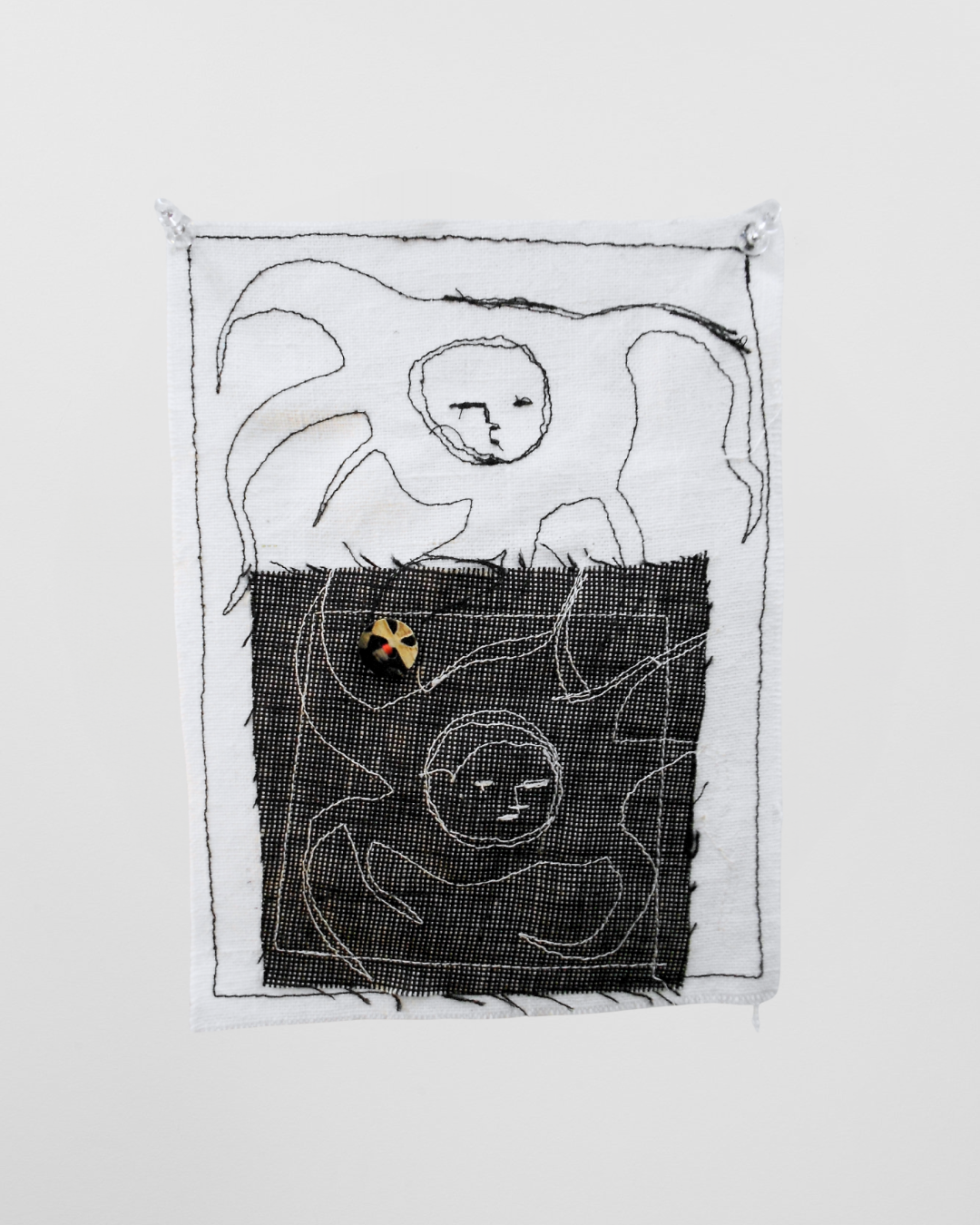
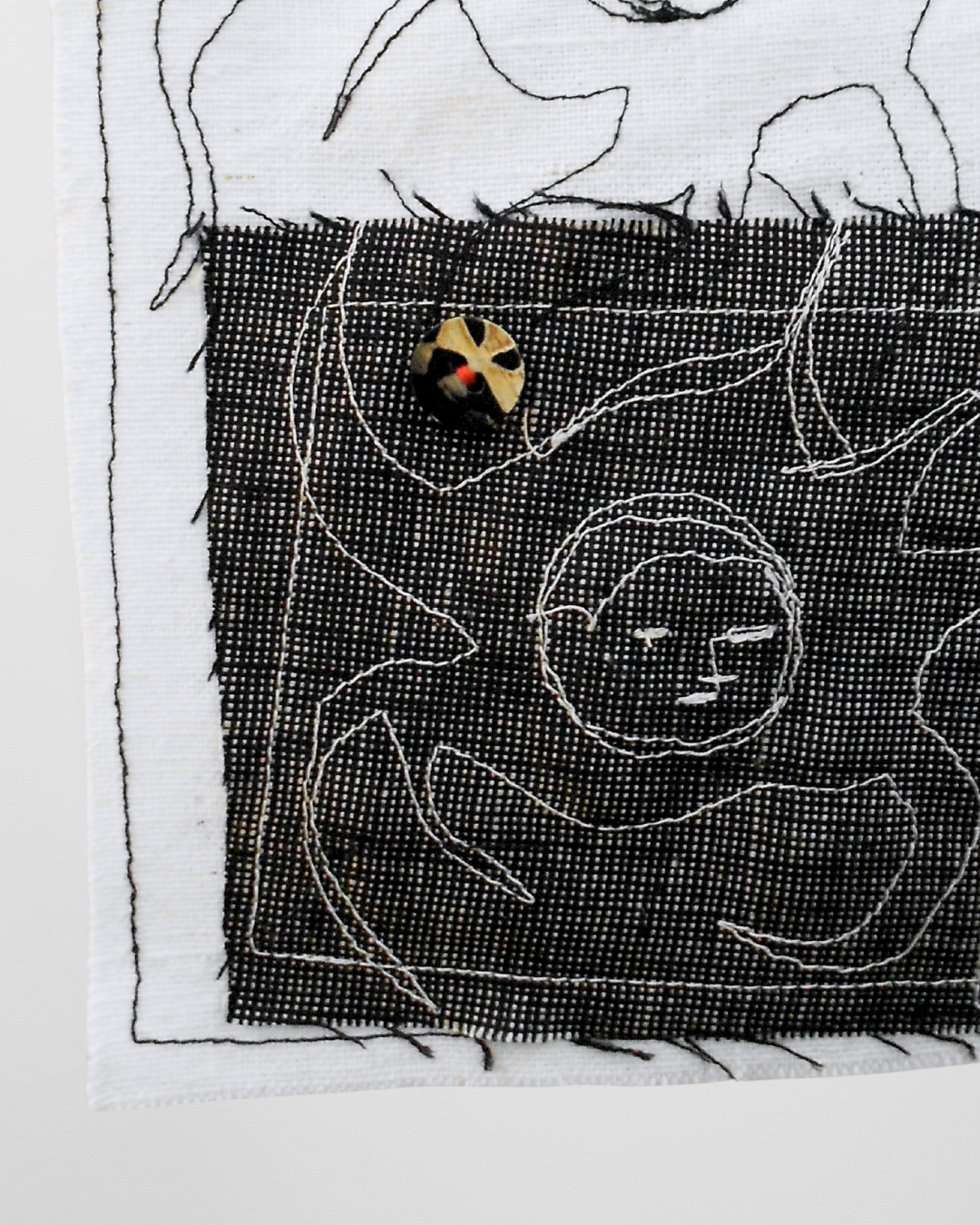
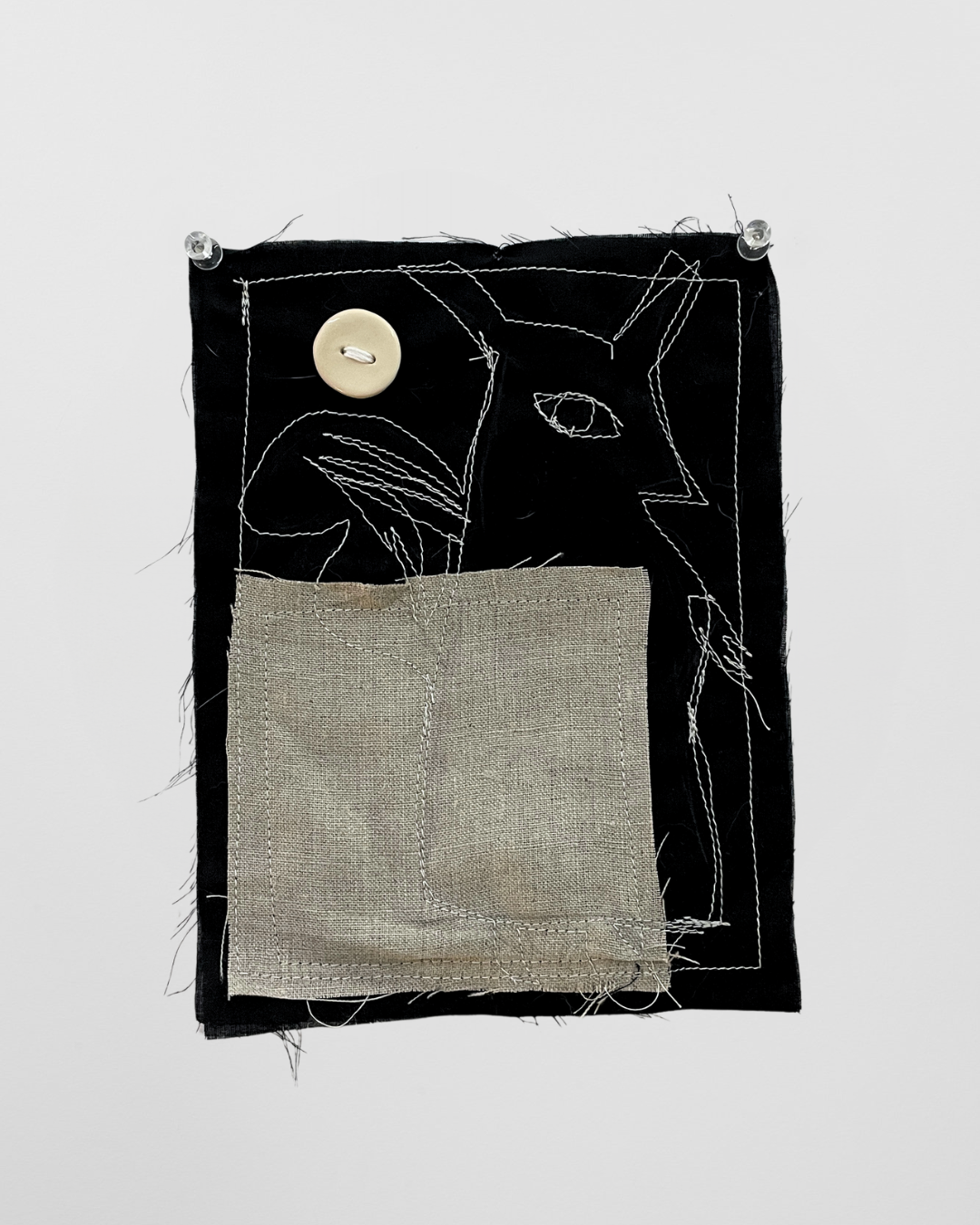
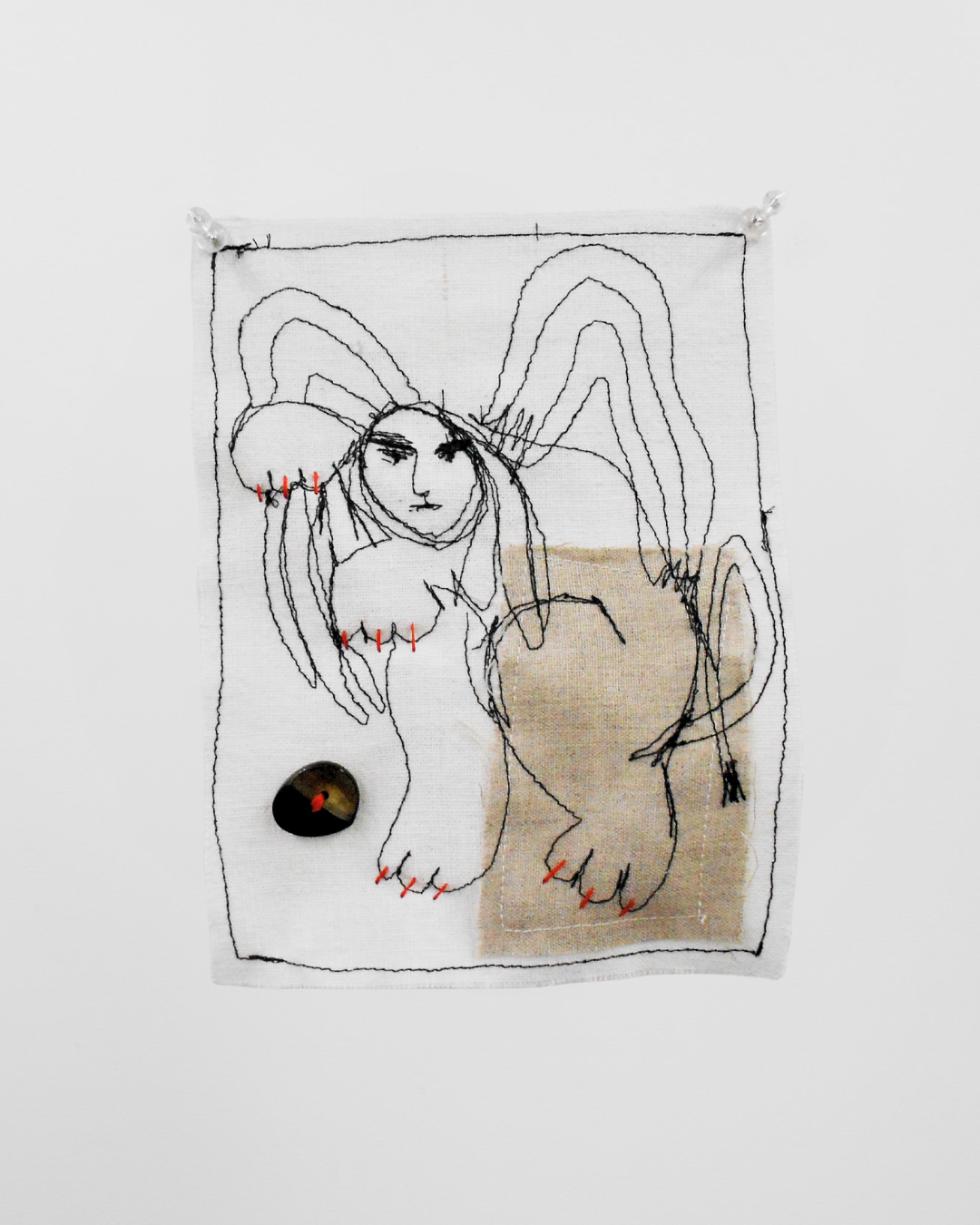
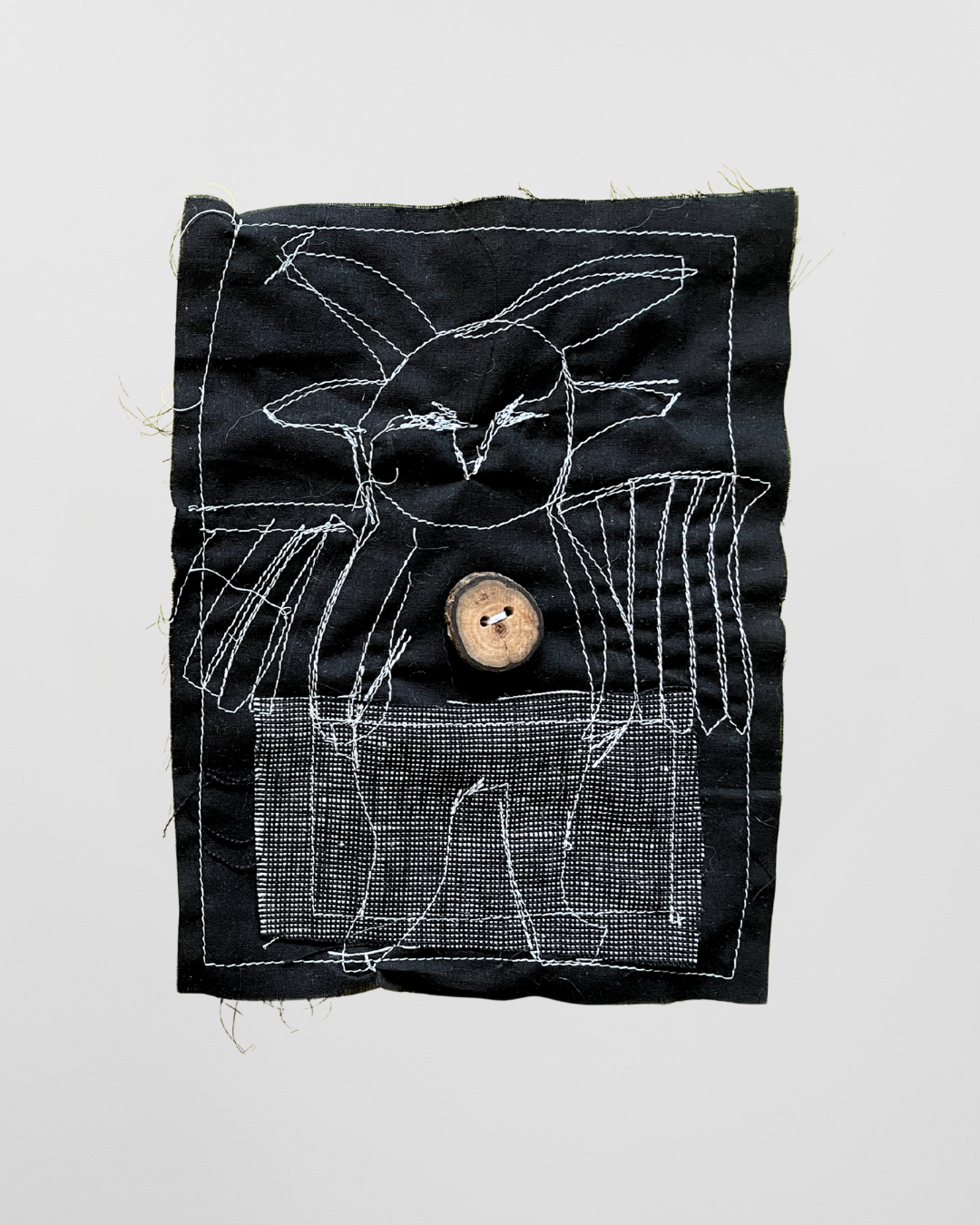
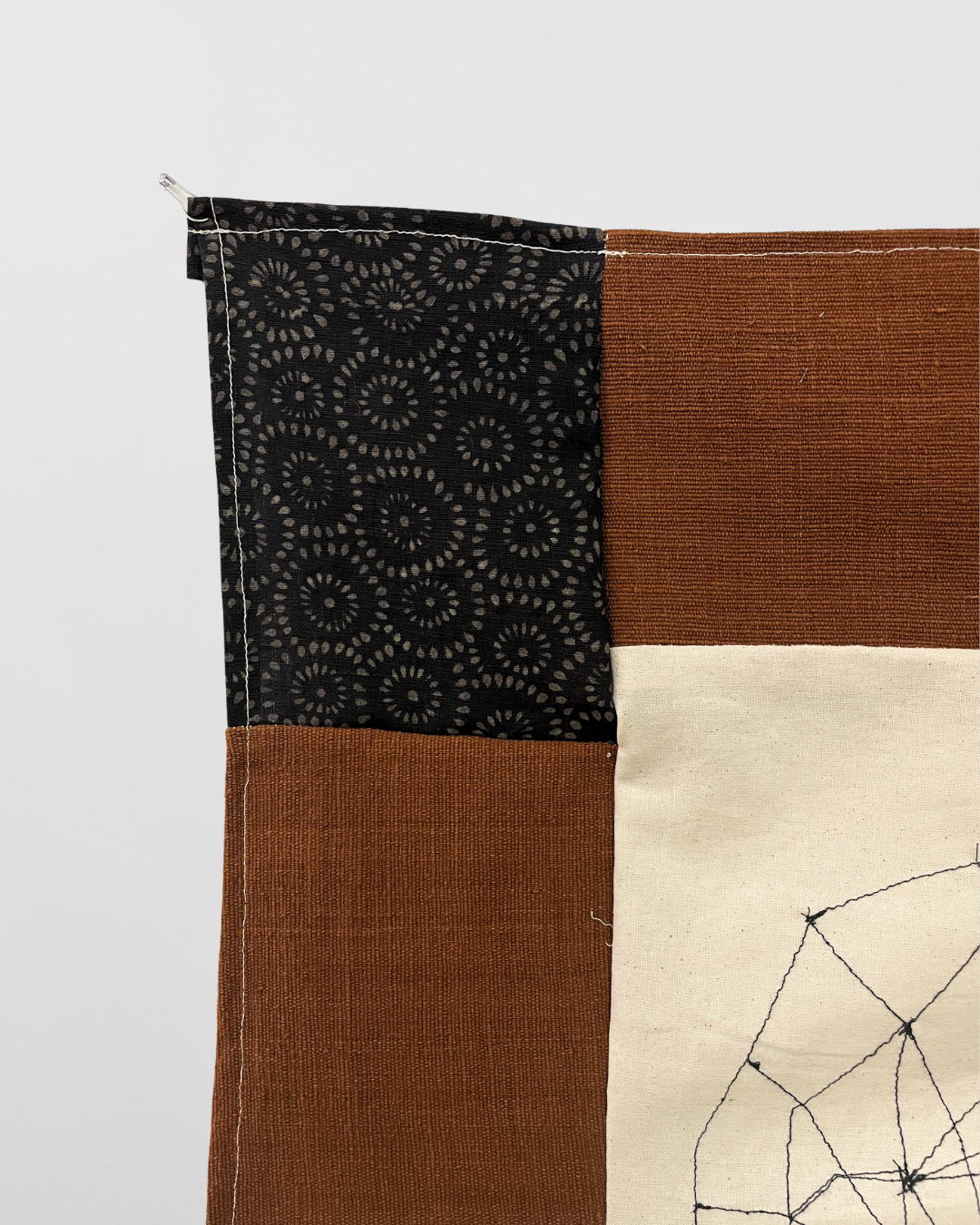
Skin, Trace (detail), sewing-machine-drawing quilt-top (thread, linen, cotton and denim), 2024.
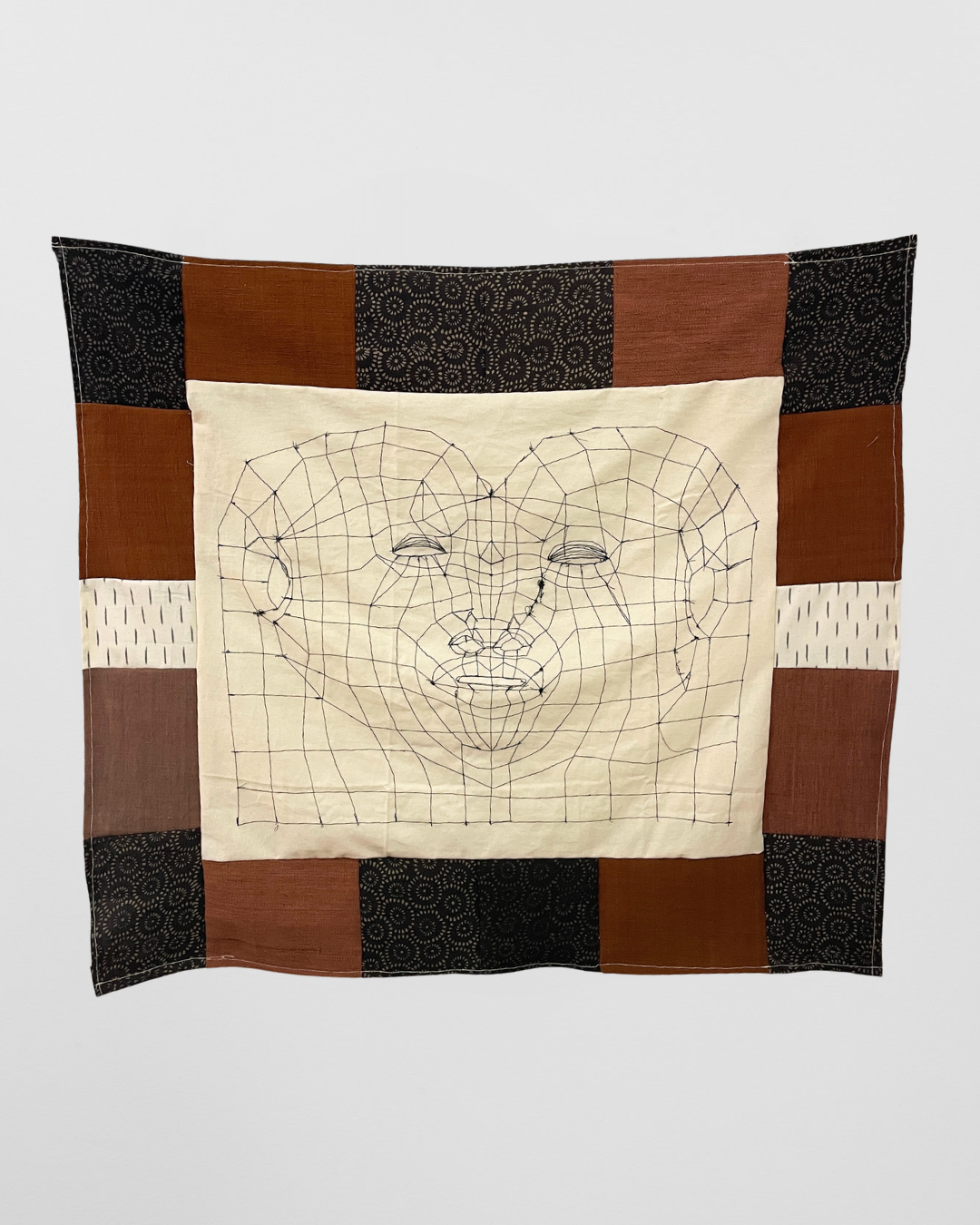
Skin, Trace, sewing-machine-drawing quilt-top (thread, linen, cotton and denim), 2024.
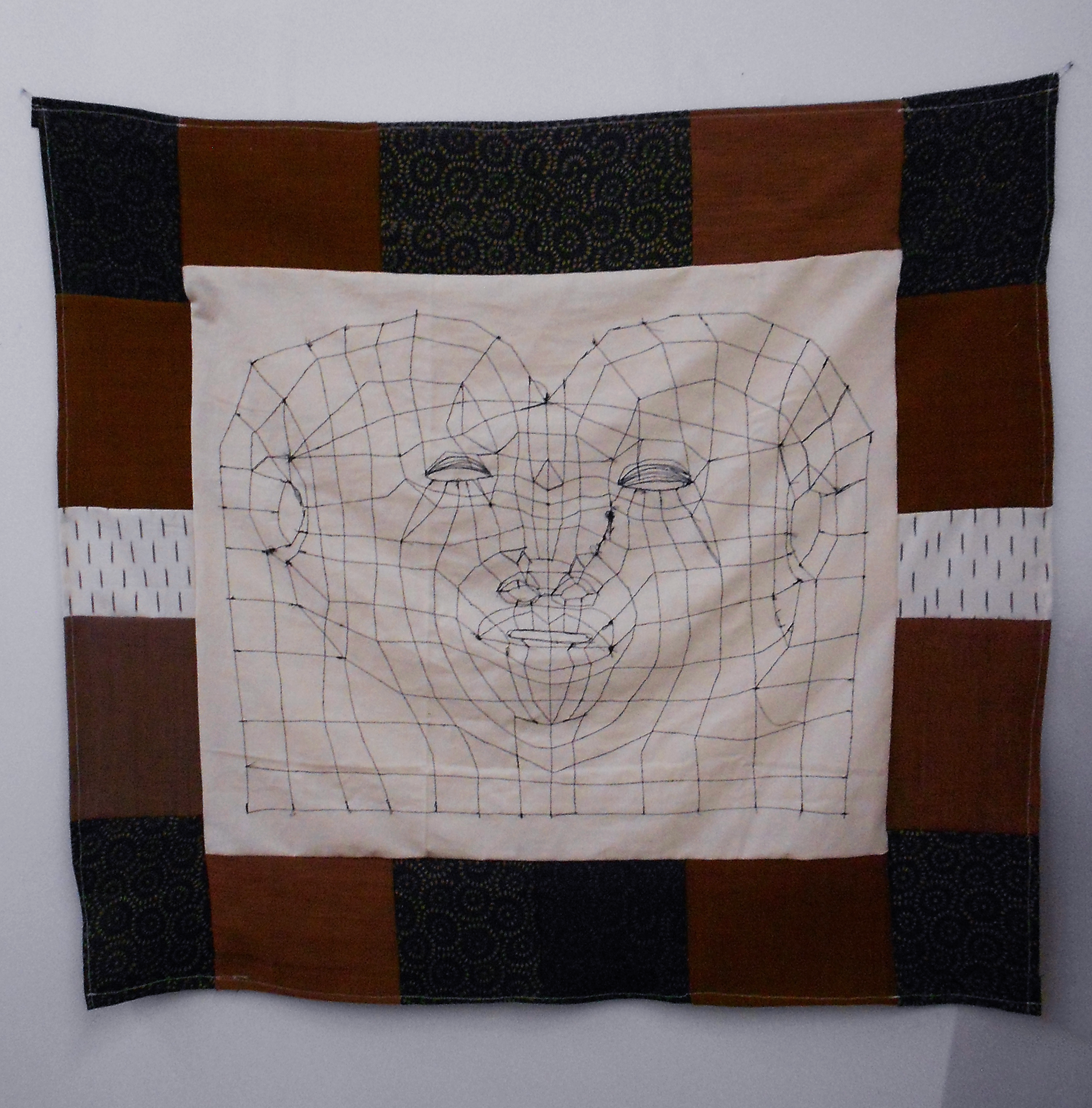
Skin, Trace, 2024, documented on Nikon coolpix